

Geneva | November 8, 2025
Governments across the world are moving to introduce new laws and regulations governing the use of artificial intelligence (AI) in classrooms, as concerns mount over data privacy, child protection, and the ethical use of digital learning systems. The rapid expansion of AI-powered educational tools has left many policymakers racing to create frameworks that balance innovation with accountability.
From the European Union and the United States to India, Japan, and Australia, education ministries and data regulators are drafting or enforcing guidelines to manage how AI systems interact with students under 18, especially in contexts involving personalized learning, performance analytics, and automated grading.
At the heart of these efforts is a shared challenge — ensuring that AI tools support education without compromising student rights or privacy. Many countries are now requiring EdTech companies and schools to obtain explicit consent for data collection, limit algorithmic profiling, and maintain transparency about how AI decisions are made.
In Europe, the forthcoming EU AI Act categorizes educational AI as a “high-risk” sector, demanding strict compliance with safety, fairness, and human oversight provisions. In the United States, several states have proposed student data protection laws to regulate AI-driven learning platforms used in public schools. Similarly, India’s National Digital Education Architecture (NDEAR) and AI policy framework emphasize responsible AI use, while Japan and South Korea are focusing on ethical AI literacy training for teachers and administrators.
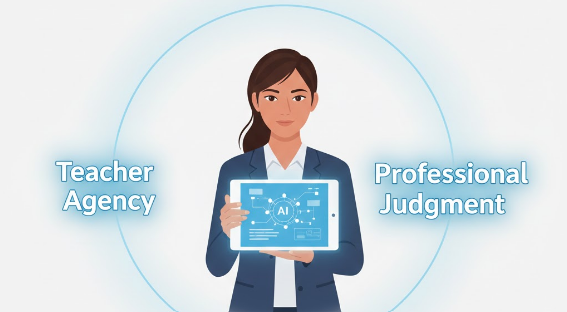
Experts warn that without adequate oversight, AI systems could amplify bias, compromise student privacy, or erode human judgment in classrooms. Concerns also extend to the storage of children’s biometric and behavioral data, which some learning apps collect to personalize experiences.
At the same time, advocates argue that AI has enormous potential to bridge learning gaps, assist teachers, and personalize instruction — provided it operates under clear ethical and legal boundaries.
Education agencies and international organizations such as UNESCO and the OECD are now calling for global standards and cross-border cooperation to ensure consistent governance of AI in education. UNESCO’s 2024 guidance urged governments to “place human rights, ethics, and pedagogical soundness” at the center of educational AI adoption.
The emerging global consensus is clear: while AI is poised to redefine classrooms, it must do so responsibly, transparently, and under strong public oversight to protect the interests of young learners.