
Curricular Redesign as a Strategic Imperative
NEW DELHI – In a critical pivot away from conventional academic models, Indian higher education institutions are being mandated to overhaul their curricula, placing employability at the forefront of their strategic design. Recent analyses, including those from key industry bodies, stress that a degree’s value can no longer be measured solely by academic credits but must be validated by its direct market relevance.
The core finding is that institutions must transition from treating graduate employability as a byproduct of education to establishing it as a core design principle. This shift is not merely about adding a few soft-skills workshops; it demands a fundamental restructuring of how knowledge is packaged, delivered, and certified.
The Rise of Modular, AI-Driven Learning
To achieve this transformation, the focus is squarely on flexible and modular learning frameworks. The most significant proposed innovations include:
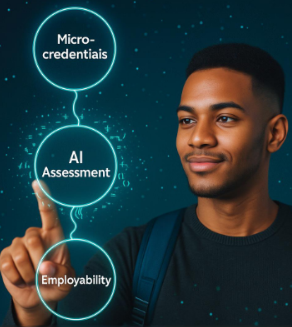
- Micro-credentials and Modular Credits: These smaller, stackable units of learning offer students the agility to acquire specific, in-demand skills outside of a traditional four-year structure. They allow for continuous upskilling and reskilling, bridging the persistent gap between industry needs and academic output.
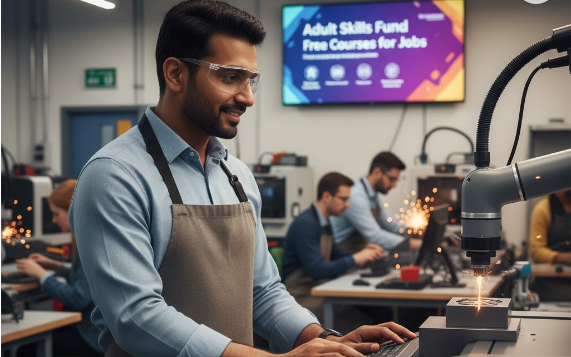
- Work-Integrated Learning (W-I-L): Moving beyond optional internships, W-I-L mandates deep, structured engagement with the industry as a core component of the academic program. This ensures students gain real-world application experience and build professional networks while studying.
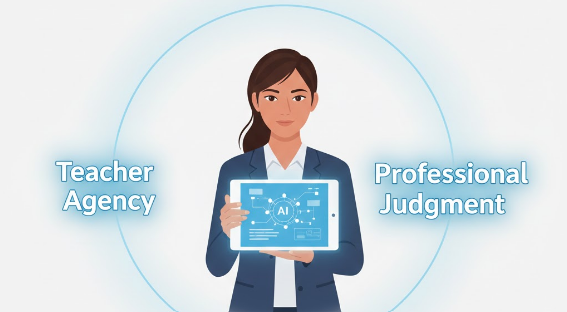
- AI-Enabled Assessments: The integration of Artificial Intelligence (AI) into the assessment process is seen as crucial for both scalability and objectivity. AI can facilitate continuous, personalized evaluation, focusing on a student’s demonstrable competency rather than just their rote memorization. This also aids in the accreditation and validation of micro-credentials on a mass scale.
From Degrees to Competencies
Educational experts argue that this move is essential to align the aspirations of the National Education Policy (NEP) 2020 with the realities of the rapidly evolving global job market. The strategic inclusion of these mechanisms is designed to create a pipeline of graduates who are not just degree holders but verified competency holders, capable of adapting to technological shifts like automation and the rise of green economies.
The challenge now lies in ensuring that universities—many of which have historically been resistant to rapid curricular change—adopt these tools swiftly and universally, making the quality of Indian higher education relevant for the next generation of global citizens.