
Leaders Adapt to Prioritize Wellness and Technology
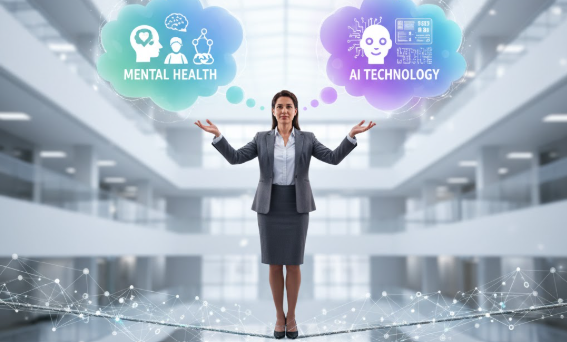
New Delhi: Educational leadership is undergoing a profound transformation, moving away from purely administrative roles to embrace social and adaptive leadership models. This shift is being driven by two overwhelming external pressures: the critical need to address student and staff mental health crises and the strategic imperative to successfully integrate Artificial Intelligence (AI) into both pedagogy and institutional management.
1. The Priority of Mental Health and Well-being
Post-pandemic challenges have permanently cemented mental health and well-being as a top priority for educational leaders. The social component of educational leadership now requires institutional heads to act as chief wellness advocates:
- Systemic Support: Leaders are mandated to implement comprehensive, tiered systems of support (MTSS) for student mental health, ensuring access to counseling, social-emotional learning (SEL) programs, and preventative measures.
- Staff Wellness: Recognizing high levels of teacher burnout, effective leaders are adopting adaptive strategies to reduce administrative burdens, provide professional development focused on resilience, and foster a supportive, empathetic work culture.
2. Strategic Integration of AI
The rise of generative AI tools necessitates that educational leaders become pioneers in technology adoption, ensuring AI is integrated responsibly and strategically:
- Pedagogical AI: Leaders must develop clear policies for how AI can be used in the classroom to personalize learning, automate routine tasks for teachers (such as drafting assessments or lesson plans), and enhance student research skills.
- Administrative Efficiency: AI integration is being pursued to optimize administrative functions, including analyzing massive datasets for enrollment forecasting, managing resource allocation, and streamlining communication.
- Ethical Oversight: A key leadership function is establishing ethical frameworks and training programs to ensure AI use is fair, transparent, and protects student data privacy, thereby maintaining trust in the new technological infrastructure.
The New Profile of Educational Leadership
The new profile of a successful educational leader is one who is adaptive, data-literate, and deeply empathetic. They must be able to navigate technological disruption while safeguarding the human element of education, translating large-scale societal pressures into sustainable, student-centered institutional policies.