

DHE Mandates Protocols to Enhance Campus Safety
SHIMLA, HIMACHAL PRADESH – The Directorate of Higher Education (DHE) in Himachal Pradesh has issued a notification mandating the strict implementation of directives from the Supreme Court of India regarding the control and management of stray dogs within the premises of all educational campuses across the state. This action is a direct response to a Suo Moto writ petition and underscores a growing concern about campus safety and the prevention of human-animal conflict in educational settings.
The Scope of the Mandate
The directive applies to all universities, colleges, and affiliated schools under the DHE’s purview. It recognizes that the presence of large stray dog populations on campuses poses a significant risk to the safety and well-being of students, staff, and faculty, potentially leading to bites, disease transmission, and overall disruption of the learning environment.
Key measures mandated by the DHE, in compliance with the Supreme Court’s guidelines, include:
- Animal Birth Control (ABC) Programs: Institutions are required to coordinate with local municipal bodies and animal welfare organizations to regularly implement the Animal Birth Control (ABC) rules, focusing on vaccination and sterilization of stray dogs within the campus precincts.
- Designated Feeding Zones: To prevent the random gathering of strays and minimize student interaction in high-traffic areas, schools and colleges must establish designated feeding spots that are safely away from classrooms and hostels.
- Awareness Campaigns: Educational institutions must conduct awareness programs to educate students and staff on responsible interaction with stray animals and the legal framework governing animal protection and control.
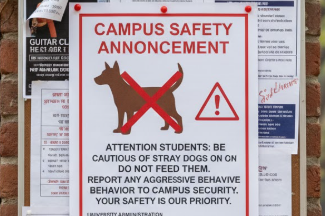
- Proactive Reporting: Protocols must be established for the immediate and appropriate reporting of aggressive stray dogs or any instances of biting to campus security and local animal control authorities.
The DHE’s directive emphasizes the need for a humane yet proactive approach, ensuring both the safety of the campus community and compliance with the legal requirements for animal welfare. Institutions are expected to allocate necessary resources and coordinate with local bodies to ensure these measures are enforced effectively.