
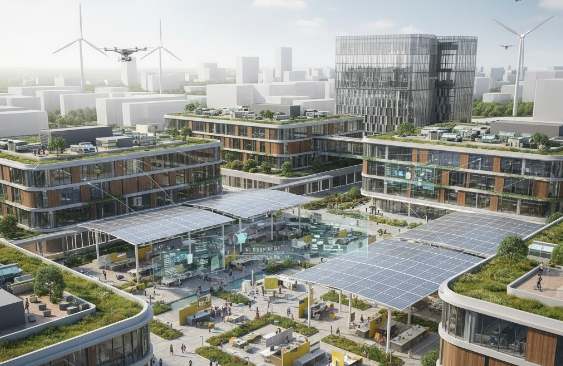
GLOBAL – Higher education institutions worldwide are undergoing a significant architectural and pedagogical transformation, moving towards campus designs that prioritize flexible learning environments, deep integration of cutting-edge technology, and rigorous sustainable building practices. This strategic shift aims to create dynamic, adaptable spaces that not only enhance student performance and well-being but also future-proof campuses against evolving educational demands.
The Era of Adaptable Learning Environments
Gone are the days of static classrooms. Modern campus planning, exemplified by projects at institutions like Harvard University, is centered on adaptability and versatility.
- Modular Classrooms: New buildings feature modular furniture, reconfigurable walls, and integrated technology that allows spaces to instantly transition from traditional lecture halls to collaborative workshops, project-based learning zones, or quiet study areas. This flexibility supports diverse pedagogies and caters to different learning styles.
- “Third Spaces”: Beyond formal classrooms, there’s a growing emphasis on creating vibrant “third spaces”—informal social and study zones, cafes, and outdoor seating areas. These spaces foster spontaneous collaboration, community building, and informal mentorship, recognizing that significant learning often happens outside structured lessons.
Immersive Technology Integration
Technology is no longer an add-on but an intrinsic element of next-generation campus infrastructure.
- AR/VR Enhanced Learning: Universities are designing dedicated labs and studios for Augmented Reality (AR) and Virtual Reality (VR), allowing students to engage in immersive simulations for fields ranging from medical training to architectural design. This provides hands-on, risk-free experiential learning (e.g., virtual dissection in anatomy or simulated engineering scenarios).
- Smart Campus Ecosystems: Campuses are becoming “smart” environments. This includes advanced building management systems for energy efficiency, pervasive high-speed Wi-Fi, sensor-based occupancy monitoring to optimize space utilization, and mobile apps for everything from navigation to classroom booking. Unified AV systems ensure seamless digital presentations and hybrid learning capabilities.
Sustainable and Healthy Design Mandates
Environmental responsibility and occupant well-being are paramount in contemporary campus development.
- Green Building Certifications: Institutions are increasingly pursuing certifications like LEED (Leadership in Energy and Environmental Design) and WELL Building Standard. This translates to designs incorporating high-performance insulation, efficient HVAC systems, and renewable energy sources like solar panels.
- Biophilic Design: Integrating natural elements such as abundant natural light, indoor plants, and views of green spaces (biophilic design) is a growing trend. This approach has been shown to reduce stress, improve cognitive function, and enhance overall well-being and productivity for students and staff.
- Resilience Planning: Campuses are also being designed with climate resilience in mind, incorporating features to manage extreme weather events, conserve water, and reduce their carbon footprint, aligning with broader sustainability goals.
These design principles reflect a fundamental understanding that the physical environment profoundly impacts learning outcomes, student engagement, and institutional values, shaping the future of higher education itself.