
New Delhi, India — The central government’s fiscal numbers for the first half of the financial year (H1 FY26, April to September) indicate a slight widening in the fiscal deficit compared to the previous year, despite a boost from the Reserve Bank of India (RBI).
The fiscal deficit—the gap between the government’s total expenditure and its total revenue—stood at 36.5% of the full-year target for the period of April to September. This figure represents an increase from the 35.7% recorded during the same period in the last financial year (H1 FY25), suggesting a slightly faster pace of spending relative to revenue accruals.
Key Takeaways from the Half-Year Report
The marginally higher deficit percentage comes despite robust inflows, particularly in the non-tax category:
- Non-Tax Revenue Boost: A significant portion of the government’s revenue came from the RBI’s dividend payout, which was higher than budgeted. This non-tax revenue helped cushion the deficit.
- Tax Revenue Performance: Tax collections, including Goods and Services Tax (GST) and direct taxes, generally performed in line with expectations.
- Increased Expenditure: The widening of the deficit percentage is largely attributed to the front-loading of capital expenditure (CapEx) by the government. Increased spending on infrastructure and development projects in the initial months of the financial year is a key strategy to boost economic activity, which typically leads to higher initial deficits.
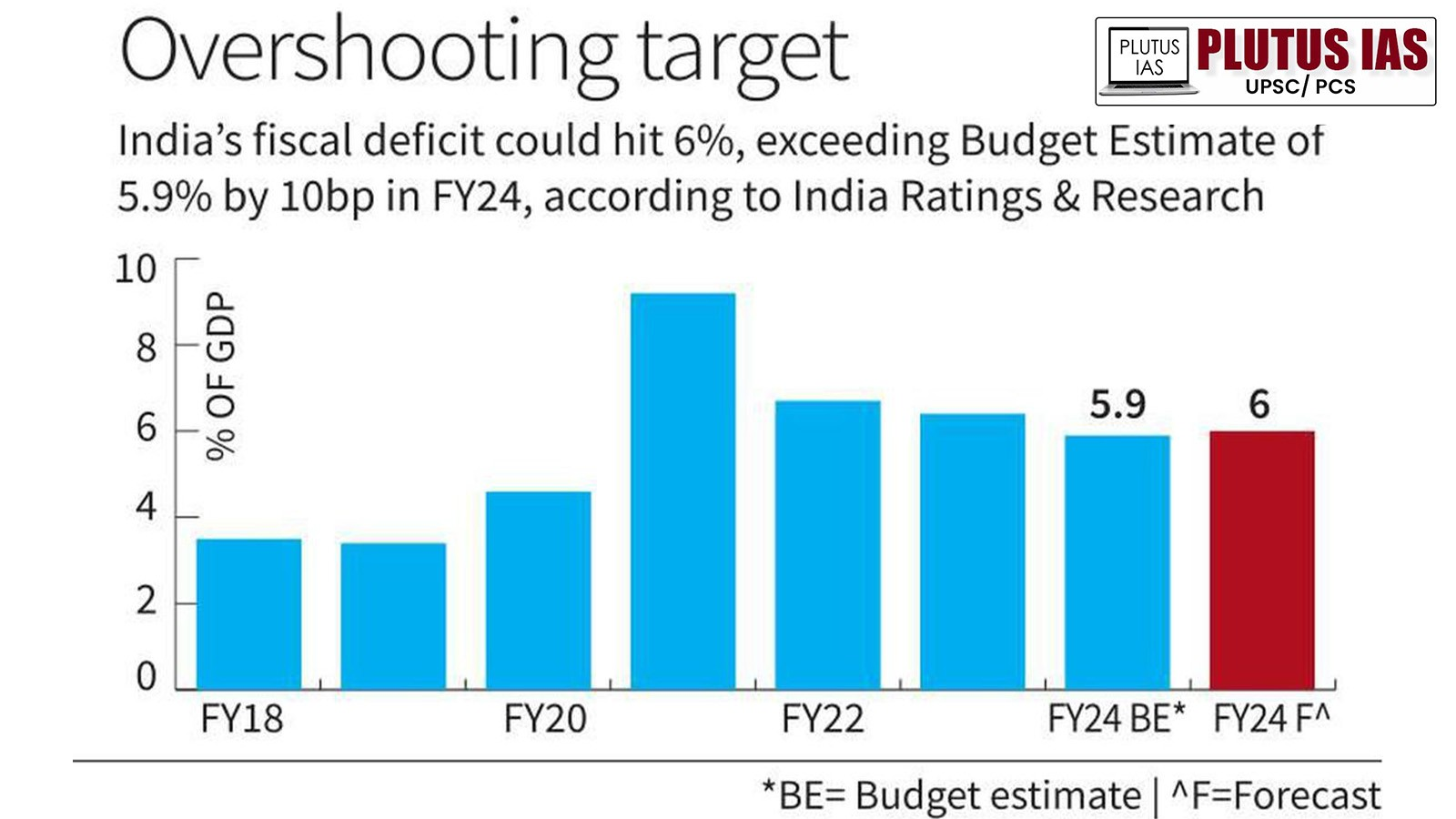
- Full-Year Target in Sight: Economists suggest that the H1 figure of 36.5% is still well within a comfortable range. Governments typically see their revenues accelerate in the second half of the year, bringing the deficit closer to the full-year target of approximately 5.1% of GDP (as projected in the budget).
The current trend indicates that while the government is maintaining its focus on CapEx-led growth, its reliance on timely revenue receipts in the latter half of the fiscal year remains crucial to meet its ambitious consolidation goal.