
World Affairs Desk | November 3, 2025
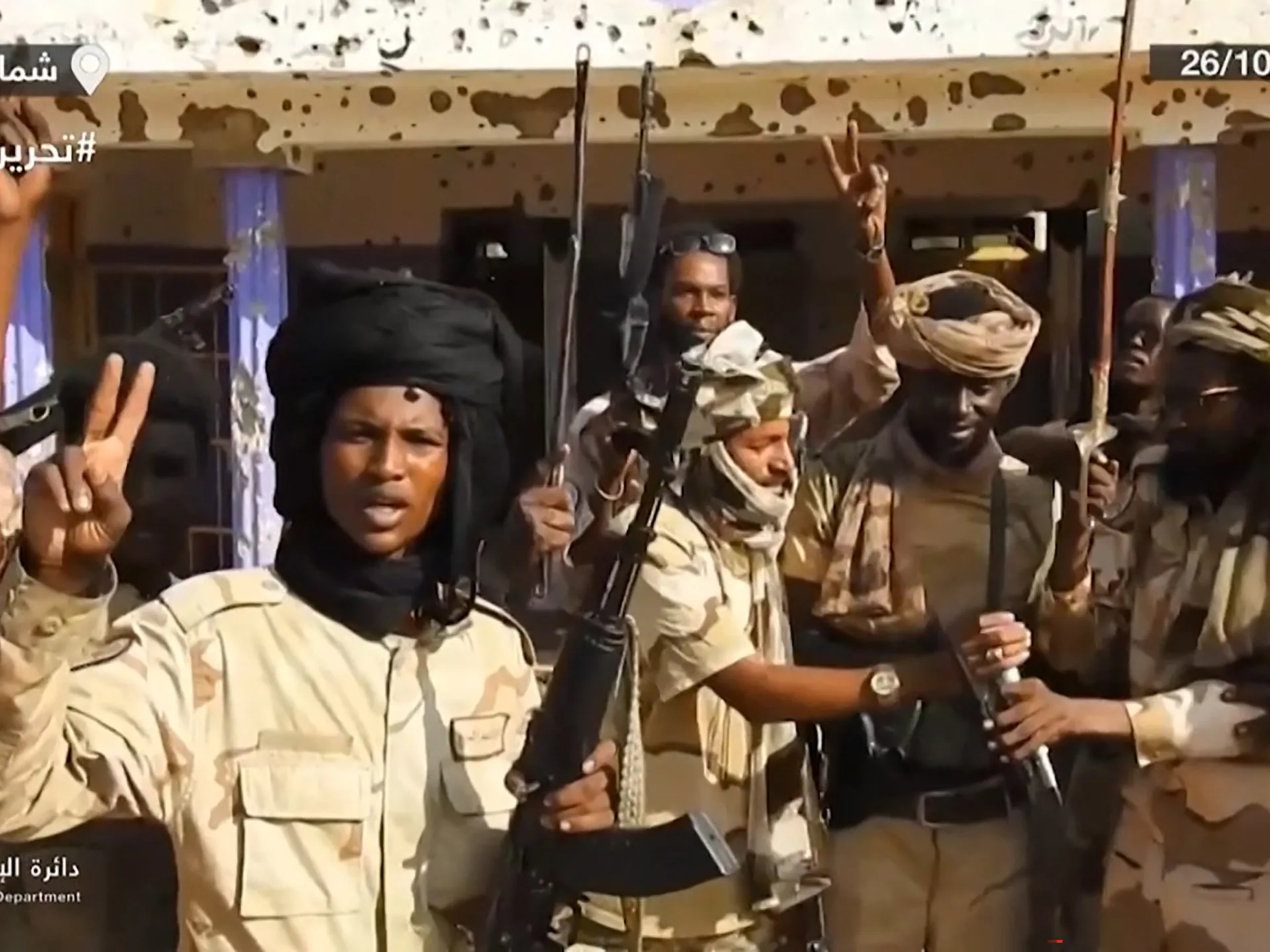
The humanitarian situation in Sudan has deteriorated sharply, with international aid agencies warning of a looming famine and mass displacement amid intensified fighting between rival military factions. The conflict, now in its nineteenth month, shows no sign of abating as ceasefire efforts collapse and violence spreads into new regions.
The ongoing war between the Sudanese Armed Forces (SAF), led by General Abdel Fattah al-Burhan, and the Rapid Support Forces (RSF), commanded by Mohamed Hamdan Dagalo (Hemedti), has devastated the country’s fragile infrastructure and displaced more than 10 million people, according to the United Nations Office for the Coordination of Humanitarian Affairs (OCHA).
Recent clashes in Darfur and the capital Khartoum have intensified, with reports of indiscriminate shelling, civilian massacres, and widespread sexual violence. Satellite imagery reviewed by humanitarian monitors indicates entire villages have been burned, particularly in West and Central Darfur, echoing the atrocities of the early 2000s.
The World Food Programme (WFP) warned that over 18 million Sudanese are facing acute food insecurity — the highest number since the conflict began — while access to clean water, healthcare, and fuel remains severely restricted. Many hospitals are non-functional, and aid convoys continue to face looting or blockades by armed groups.
Efforts by regional and global mediators, including the African Union, United Nations, and United States, have repeatedly failed to secure a lasting truce. Talks in Addis Ababa last month ended without agreement, as both sides accused each other of violating previous ceasefire terms.
“The humanitarian crisis in Sudan is one of the worst in the world right now,” said Martin Griffiths, UN Under-Secretary-General for Humanitarian Affairs. “Millions are trapped in conflict zones, aid delivery is collapsing, and famine is closing in.”
Neighboring countries, including Chad, South Sudan, and Egypt, are struggling to absorb a growing influx of refugees. The crisis also threatens to destabilize the entire Horn of Africa, already burdened by drought, political unrest, and economic fragility.
International observers fear that without urgent action, Sudan could face a full-scale state collapse, with catastrophic consequences for regional peace and security.