
Global Health & Policy Desk | November 3, 2025
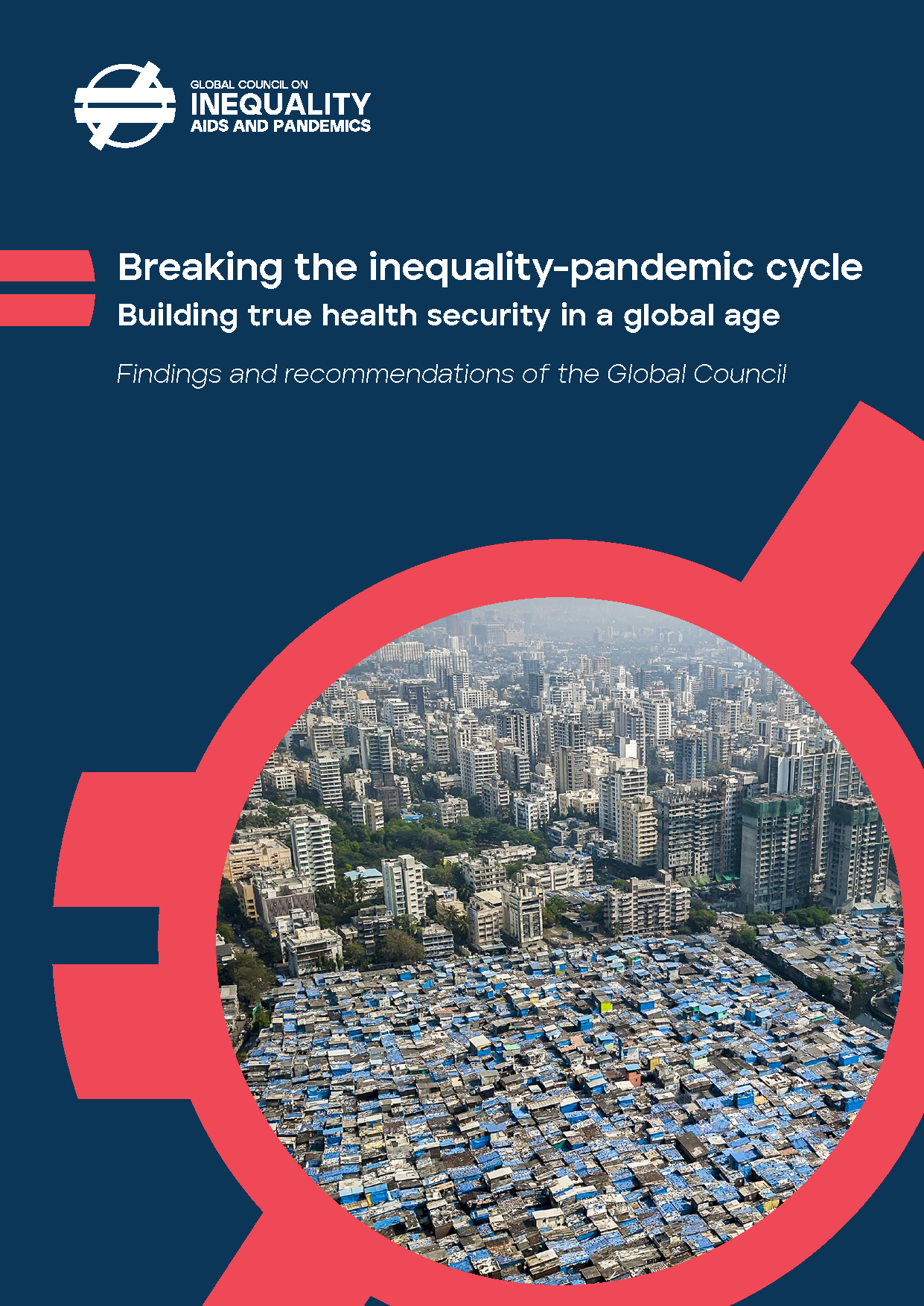
JOHANNESBURG — A landmark report released on Monday by the Global Council on Inequality, AIDS and Pandemics, convened by the United Nations’ AIDS agency, has warned that growing inequality within and between nations is increasing the world’s vulnerability to future pandemics.
The report, titled “Breaking the Inequality-Pandemic Cycle: Building True Health Security in a Global Age,” concludes that inequality not only worsens the impact of pandemics but also makes them more frequent, deadly, and longer-lasting. It highlights a self-reinforcing “inequality-pandemic cycle,” where economic and social divides fuel health crises — and those same crises deepen global inequality.
“High levels of inequality are making pandemics more economically disruptive and deadly, and making them last longer,” the report states. “Pandemics in turn increase inequality, creating a vicious cycle that weakens the world’s capacity to respond.”
Key Findings
The two-year study brings together global economists, public-health experts, and political leaders. It finds that societies with larger wealth gaps, weaker social protection systems, and unequal access to healthcare were hit hardest during COVID-19 and remain at higher risk of future health crises.
The report points out that:
- Inequality undermines access to vaccines, treatments, and healthcare infrastructure, especially in low-income regions.
- Wealthier populations and nations recover faster, leaving poorer groups more exposed and vulnerable.
- The COVID-19 pandemic alone pushed an estimated 165 million people into poverty, while the world’s richest individuals saw their wealth increase significantly.
Why It Matters
The authors stress that inequality is not merely a social or moral issue — it has become a central threat to global health security. When large populations lack housing, healthcare, and stable employment, they form the frontline of disease outbreaks. Meanwhile, rapid recovery in wealthier nations deepens the divide and prolongs global crises.
Recommendations
The Global Council calls for urgent reforms in how the world prepares for and responds to health emergencies:
- Strengthen universal social protection and healthcare access.
- Restructure debt for low-income nations to expand public health investment.
- Encourage local production of vaccines and treatments, with technology sharing and flexible intellectual property rules.
- Incorporate inequality and equity metrics into global pandemic preparedness frameworks.
Global Implications
The report arrives just ahead of the 2025 G20 Summit, where global inequality and pandemic resilience are expected to feature prominently. Experts say countries like India, Brazil, and Nigeria — with large informal sectors and health disparities — face immediate stakes in the recommendations.
The message is unambiguous: unless inequality is addressed, the next pandemic could strike faster, hit harder, and last longer — deepening global divides even further.