

Paris/New Delhi | November 7, 2025
India Urges Ethical AI Use in Education at UNESCO Meet, Announces Heritage Cooperation Plan
At the ongoing UNESCO General Conference in Paris, India called for a global consensus on the ethical use of Artificial Intelligence (AI) in education and cultural heritage management. The Indian delegation, led by senior officials from the Ministry of Education and Ministry of Culture, emphasised that AI should serve as a tool for inclusion and equity rather than deepen digital divides.
India is collaborating with UNESCO to develop a “Readiness Assessment Methodology” — a framework to evaluate how prepared countries are to deploy AI ethically in their education systems. The initiative aims to help governments assess data governance, bias prevention, teacher readiness, and digital infrastructure before introducing AI-powered tools in classrooms.
AI and Education: India’s Policy Stand
India’s statement highlighted the country’s balanced approach to technology adoption in education — one that combines innovation with safeguards for privacy, transparency, and accountability.
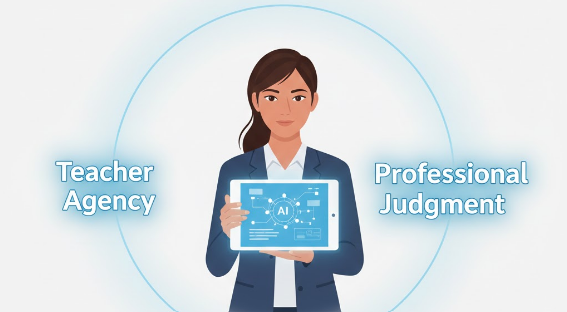
“AI must amplify learning opportunities without compromising human agency or ethics,” the delegation said, adding that India’s National Education Policy 2020 already envisions AI-enabled learning ecosystems grounded in responsible digital practices.
The readiness framework, developed jointly with UNESCO’s education and digital policy units, will serve as a benchmarking tool for developing nations seeking to integrate AI while upholding ethical standards and cultural sensitivities.
Cultural Heritage and Digital Cooperation
Beyond education, India also proposed strengthening cooperation with UNESCO on digitising and preserving cultural heritage using emerging technologies like AI and 3D mapping. The move aligns with India’s efforts under the Digital India and Indian Knowledge System (IKS) initiatives to make heritage more accessible through immersive and multilingual digital archives.
Officials underscored that ethical use of AI in heritage conservation — from predictive restoration models to virtual tourism — should be guided by respect for authenticity, community participation, and intellectual property rights.
Why It Matters
- AI in education is expected to transform how students learn and teachers assess, but global concerns about bias, misinformation, and unequal access persist.
- India’s collaboration with UNESCO positions it as a key voice in shaping ethical AI governance in the Global South.
- The framework could serve as a model for other developing nations balancing innovation with inclusivity.
What’s Next
The Readiness Assessment Methodology will undergo pilot testing in several countries, including India, before a global rollout planned for 2026. The outcomes will inform future UNESCO policy recommendations on responsible AI adoption in education.