
October 27, 2025 | EduVista Daily
In schools around the world, artificial intelligence is rapidly transforming the way students learn and teachers teach. From personalized learning dashboards to automated grading systems, AI-powered education tools are no longer a futuristic idea—they’re becoming the new classroom reality.
A recent UNESCO report highlights that over 65% of schools across developed nations are now using some form of AI-driven tool for teaching, assessment, or curriculum planning. The shift is not just about technology adoption—it’s about reimagining how learning happens.
“AI is helping teachers spend more time mentoring and less time marking,” says Dr. Helena Ruiz, an education technology researcher at the University of Barcelona. “It creates space for creativity, collaboration, and deeper human connection in the classroom.”
Personalized Learning at Scale
Adaptive learning platforms powered by AI can now assess each student’s performance in real time, offering custom exercises and feedback suited to their unique strengths and weaknesses.
For example, EdTech startups like Century Tech and Knewton have introduced algorithms that map students’ cognitive patterns, helping teachers predict learning gaps before they appear.
Supporting Teachers, Not Replacing Them
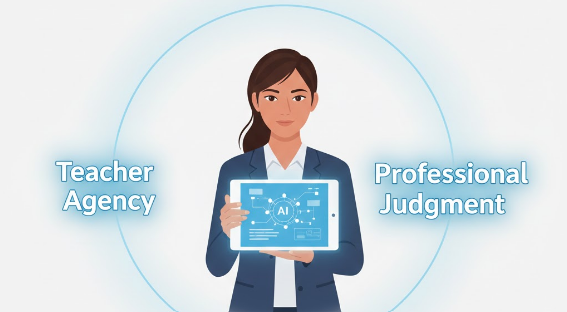
While concerns about AI replacing educators persist, the global consensus is clear: AI should serve as an assistant, not a substitute. AI helps educators identify struggling students, generate practice materials, and even translate lessons instantly for multilingual classrooms.
“Artificial intelligence is not a replacement for passion,” says Dr. Raj Rana, a renowned Chemistry teacher from Dubai. “It’s a partner that can simplify routine work, allowing teachers to focus on what truly matters—building curiosity, confidence, and critical thinking among students.”
Adding to this perspective, Dr. Pankaj Jha, Founder of SelexIQ Education Support Services, Dubai, emphasizes the human-centered approach to educational technology:
“At SelexIQ, we believe AI should empower—not overshadow—the educator. Technology must serve as a bridge between data and empathy, helping teachers understand their students more deeply while preparing them for a world driven by innovation.”
Preparing Students for a Tech-Driven World
The integration of AI in education also signals a broader shift toward 21st-century skill development—critical thinking, creativity, and digital literacy.
Educational ministries in countries such as Finland, India, and the UAE are already piloting AI-literacy programs to ensure students understand how these systems work ethically and responsibly.
Challenges Ahead
Despite its promise, AI adoption faces challenges: data privacy, cost of technology, and equitable access. Rural schools in developing regions still struggle with limited infrastructure, widening the digital divide. Experts stress that inclusive policies and teacher training are vital to make AI-driven education a tool for empowerment, not exclusion.