
Visa Delays, Safety Concerns, and Cost Factors Drive Expected Drop
UNITED STATES – A new forecast from the Institute of International Education (IIE) suggests that U.S. universities may face a significant decline in international student enrollment for the 2025-26 academic year. This projection comes despite intense global recruitment efforts and reflects mounting deterrents that are eroding the competitive edge of American higher education.
Key Factors Driving the Downturn
The analysis points to a convergence of logistical, economic, and political factors that are influencing the decision-making of prospective international students, particularly those from key markets in Asia:
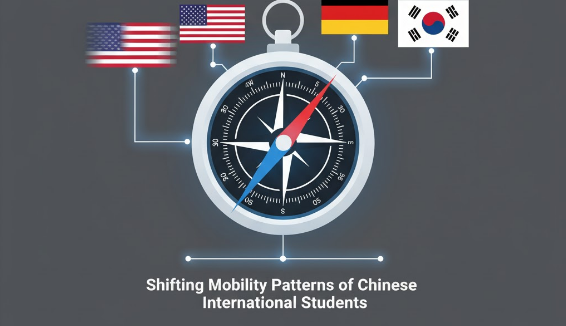
- Escalating Visa Delays and Restrictions: Prolonged and unpredictable visa processing times at U.S. consulates are forcing students to miss enrollment deadlines or choose destinations with faster, more reliable immigration services. Heightened security scrutiny and the perceived risk of visa denial are pushing students toward more accommodating countries like Canada and the UK (despite the UK’s recent post-study work changes).
- Rising Cost of Attendance: The combination of increasing tuition fees, inflation, and a stronger U.S. dollar is making the cost of pursuing a degree in the United States financially prohibitive for many middle-class international families. Competitors frequently offer lower tuition rates and more generous scholarship packages.
- Safety Concerns and Political Climate: Reports of campus protests and safety incidents, coupled with an increasingly polarized political environment in the U.S., are generating anxiety among international students and their parents. Perceptions of reduced personal safety and an less welcoming social climate are contributing to the decline in interest.
Implications for U.S. Higher Education
International students are a crucial component of the U.S. higher education ecosystem, contributing billions of dollars annually to the economy and bolstering research and diversity efforts. A sustained decline could lead to:
- Financial Strain: Universities, especially public institutions, rely heavily on the higher tuition paid by international students to subsidize programs. Enrollment drops could necessitate budget cuts or tuition increases for domestic students.
- Talent Loss: A reduced influx of high-achieving international graduates, particularly in vital STEM fields, threatens the long-term competitiveness of U.S. research and technology sectors.
University administrators are now being compelled to develop more comprehensive retention and support programs, address campus safety concerns proactively, and advocate for streamlined visa processing to stabilize and reverse the anticipated decline.