
MAZAR-I-SHARIF — Monday, November 3, 2025
A powerful earthquake, initially measured at Magnitude 6.3, struck northern Afghanistan overnight Sunday into Monday, igniting widespread panic and sparking fears of mass casualties. The U.S. Geological Survey (USGS) and local authorities confirmed the tremor, which was centered near the densely populated city of Mazar-i-Sharif and the town of Kholm.
The quake, which hit at 12:59 am local time with a depth of approximately 28 kilometers, was strong enough to be felt in the capital, Kabul. The event has prompted an urgent, large-scale humanitarian response, as it strikes an impoverished nation already reeling from a series of recent, deadly seismic disasters.
Mass Casualties and Response Alerts
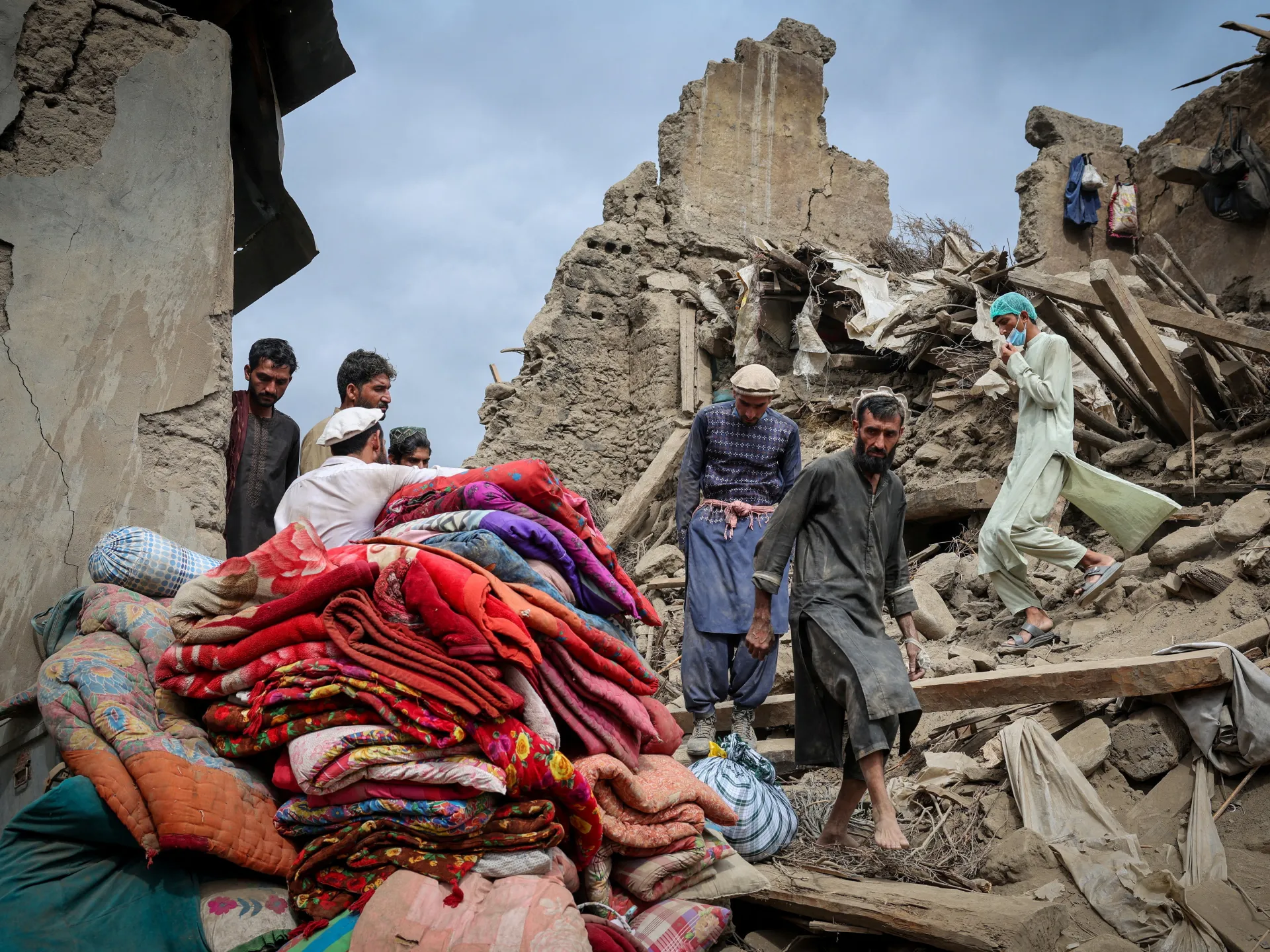
While initial official figures for the death toll remain pending as rescue efforts continue, local officials have reported immediate casualties and injuries. Samin Joyenda, a spokesman for the health department in Samangan province, reported at least seven deaths and 150 injuries in the Nakhchir district alone, noting that these numbers are expected to rise. In Balkh province, reports confirm additional deaths and financial losses.
The USGS PAGER system issued an Orange Alert, a warning level that signifies “significant casualties are likely and the disaster is potentially widespread,” requiring a regional or national-level response. Residents in Mazar-i-Sharif described waking up terrified and running into the streets as windows shattered and plaster cracked in their homes.
The quake also triggered a landslide on the Samangan-Balkh highway, a critical transport route, temporarily blocking aid access and trapping vehicles.
Compounding Humanitarian Crisis
The latest catastrophe compounds Afghanistan’s immense humanitarian challenges. The country lies in a geologically unstable region where the Eurasian and Indian tectonic plates converge along the Hindu Kush mountain range, making it highly prone to destructive, shallow-depth earthquakes.
This 6.3 magnitude quake comes just two months after a devastating 6.0 magnitude tremor in August killed over 2,200 people. Furthermore, the country is still grappling with the effects of an October 2023 earthquake in the western Herat region that claimed thousands of lives.
Key Challenges for Relief Efforts:
- Infrastructure: Much of Afghanistan’s modest, traditional housing is shoddily built, especially outside major cities, leading to high rates of collapse.
- Logistics: Poor infrastructure and the potential for aftershocks and additional landslides severely hamper the speed of search and rescue operations.
- Seasonal Threat: The disaster hits as the country approaches winter, making the urgent need for shelter, blankets, and temporary housing critical for those whose homes have been destroyed.
The government’s national disaster management authority is coordinating efforts, broadcasting emergency numbers, and prioritizing the rescue of those trapped under rubble. The global community is mobilizing resources, knowing that a rapid and sustained international relief effort will be essential to mitigating the widespread human suffering.