
Innovative Funding Model Gains Traction Amidst Childcare Crisis
WASHINGTON, D.C. – In an attempt to address the deepening childcare affordability crisis across the United States, an increasing number of states are adopting or piloting the innovative “Tri-Share” model. This funding structure is gaining momentum as policymakers seek creative ways to reduce the financial burden on working families and stabilize the volatile childcare sector.
How the Tri-Share Model Works
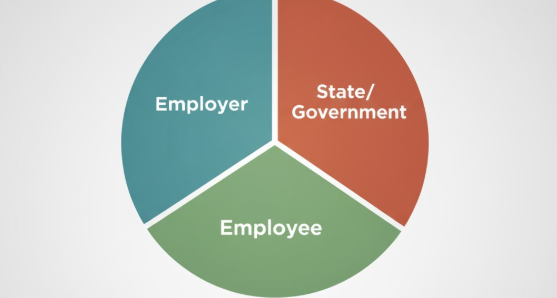
The Tri-Share model is a unique cost-sharing arrangement that splits the financial responsibility for childcare equally among three key entities:
- The Employer: The worker’s employer pays one-third of the childcare cost.
- The Employee: The working parent pays one-third of the childcare cost.
- The State/Public Funds: The state or a public fund mechanism covers the remaining one-third.
This mechanism effectively cuts the employee’s direct childcare expense by two-thirds, making professional care significantly more accessible for low and middle-income workers. The model is particularly appealing to businesses as it is seen as a crucial tool for talent retention and reducing employee absenteeism caused by unreliable childcare arrangements.
Questions of Viability and Equity
While proponents praise its simplicity and immediate impact on family budgets, the model is facing increasing scrutiny regarding its long-term viability and potential limitations:
- Scalability Concerns: Critics question whether states can sustain the necessary public funding as the program expands, especially if reliance on this subsidized model grows rapidly. The current framework may not be robust enough to handle the sheer volume of demand across an entire state.
- Provider Strain: The model focuses on the cost borne by parents but does not directly address the severe challenges faced by childcare providers, such as low wages for workers and rising operational costs. There is concern that Tri-Share may not adequately stabilize the supply side of the equation.
- Eligibility Gaps: Often, these programs have specific income caps, potentially leaving out middle-income families who still struggle significantly with the high costs of childcare.
Despite these ongoing debates, the rapid adoption of Tri-Share underscores the urgent, bipartisan recognition that accessible, affordable childcare is essential infrastructure for economic productivity and educational equity. The focus is now shifting toward integrating this model with other subsidies to ensure comprehensive support for the entire working population.