
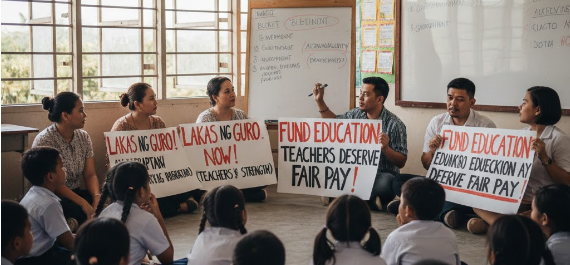
Location: Philippines Date: November 21, 2025
Teachers across the Philippines have announced plans for a nationwide sit-down strike scheduled for November 28, an action designed to halt regular instruction while amplifying protests against systemic issues plaguing the public education system. The move targets the government’s persistent failure to deliver adequate compensation for educators and address chronic resource shortages and severe underfunding across public schools.
Protest Highlights Systemic Neglect
The strike, organized by major teachers’ unions, is driven by demands that reflect critical structural challenges within the sector:
- Salary Disparity: Teachers are demanding a substantial and immediate revision of base salaries, arguing that current pay levels are insufficient to match the rising cost of living and the professional workload. This low compensation is cited as a major factor fueling high teacher attrition and hindering effective recruitment.
- Resource Deficits: The protest focuses on the lack of essential school resources, including insufficient classroom facilities, outdated instructional materials, and inadequate operational budgets for maintenance. This material deficit is widely acknowledged to compromise the quality of teaching and restrict student learning opportunities.
Strategy: From Protest to Civic Lesson
The unions have adopted a unique strategy by declaring a “sit-down strike.” Educators who participate will physically remain on school grounds but will refrain from conducting standard lessons. Instead, they plan to use the day to engage students who attend in classroom discussions centered on civics, social issues, and government accountability.
This dual-purpose approach transforms the industrial action into a pedagogical tool, simultaneously pressing the government for budgetary reform while educating students on the direct link between public finance, political decisions, and the quality of their education system. The event is set to exert significant pressure on the government to initiate swift negotiations regarding budgetary priorities for the nation’s largest public sector workforce.