


In an era defined by rapid transformation, 2025 stands out as a landmark year for technology—a year when tomorrow’s visions begin to manifest into everyday realities. From autonomous agents to quantum-safe cryptography, the frontier of innovation is expanding fast. Drawing on recent reports from McKinsey & Company, Deloitte and the World Economic Forum, here is an in-depth look at the major forces reshaping our world.
1. AI Moves from Assisting to Acting
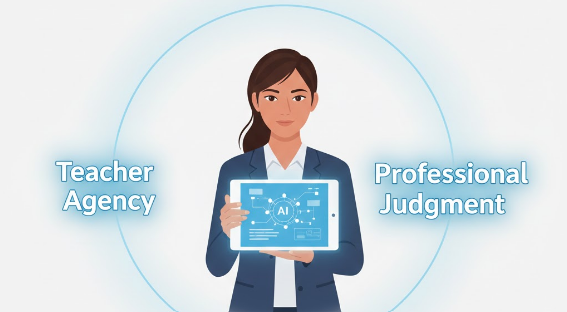
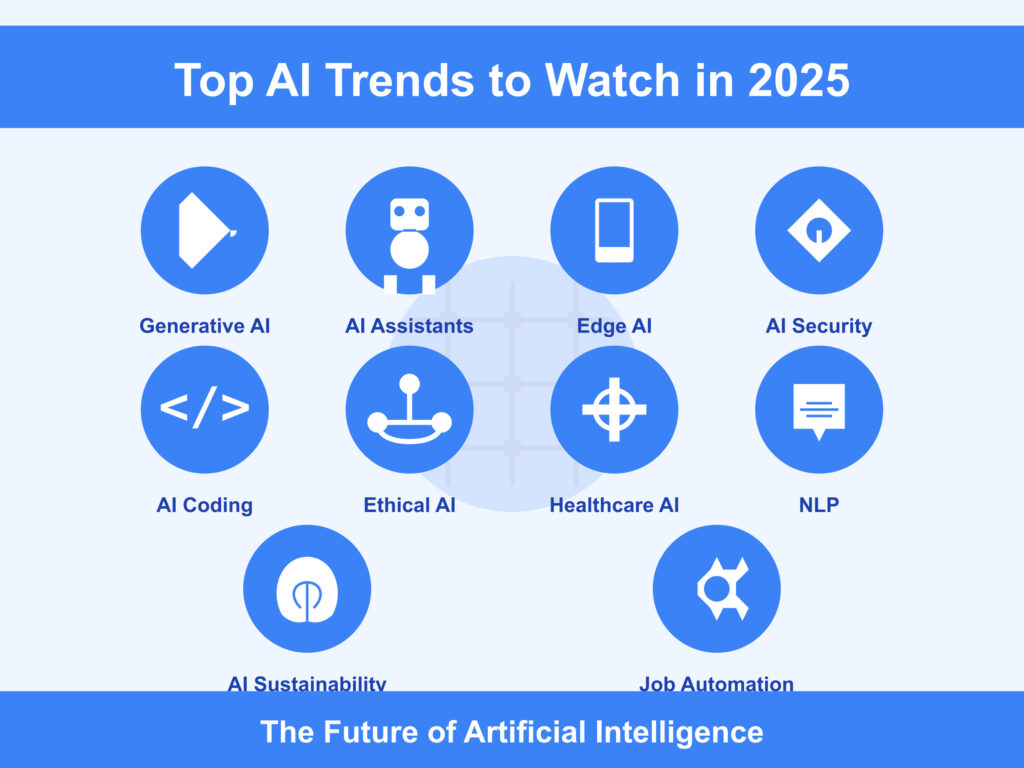
In 2025, artificial intelligence (AI) is no longer simply a tool—it’s becoming an actor. The emergence of so-called agentic AI marks systems that can reason, plan and act with limited human oversight.
Organizations are embedding AI not just in front-end applications, but into their core systems, reworking infrastructure, workflows and business models to be AI-first.
Implication: companies that embrace AI as a fundamental strategic function—rather than a side project—will gain major competitive advantage. On the flip side, ethical, safety and governance frameworks must evolve rapidly to keep pace.
2. Quantum, Post-Quantum & the New Computing Paradigm

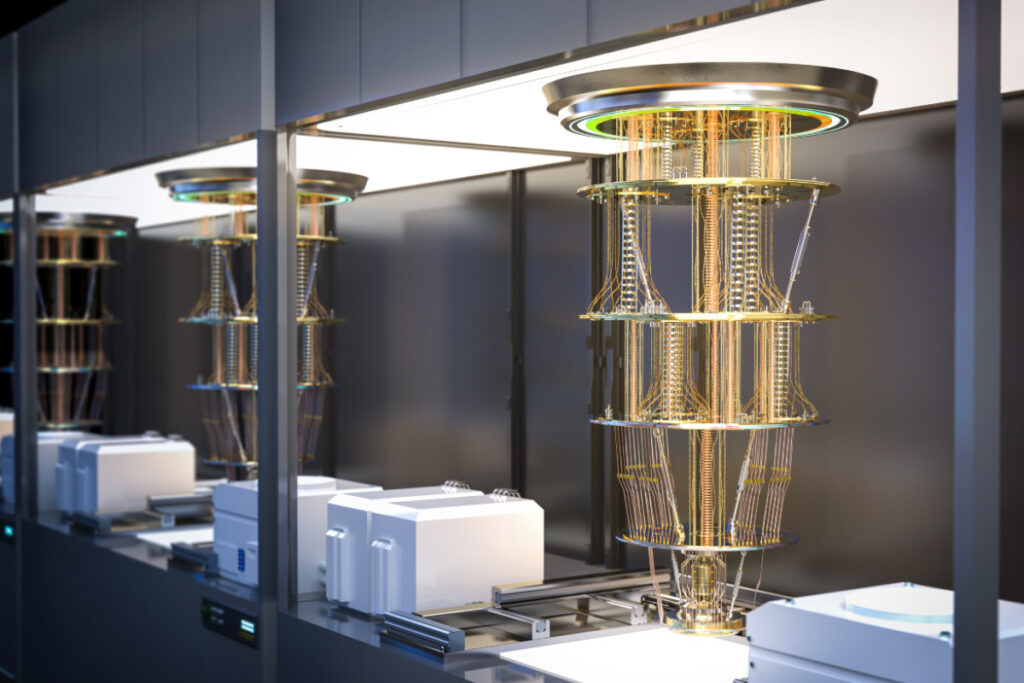
According to leading analyses, 2025 is a turning point for quantum computing and post-quantum cryptography—the latter is vital to secure communication in the era of quantum-capable adversaries.
But it’s not purely quantum: hybrid computing, combining classical, quantum, edge and cloud resources, is gaining traction. Businesses are exploring new architectures to enable breakthroughs in materials, healthcare and simulation.
For practitioners and decision-makers: the window to prepare—and invest—is now. Upgrading cryptography, planning for hybrid deployment models, and aligning talent toward quantum readiness are becoming critical.
3. Convergence of Tech & Sustainability: The Dual Imperative
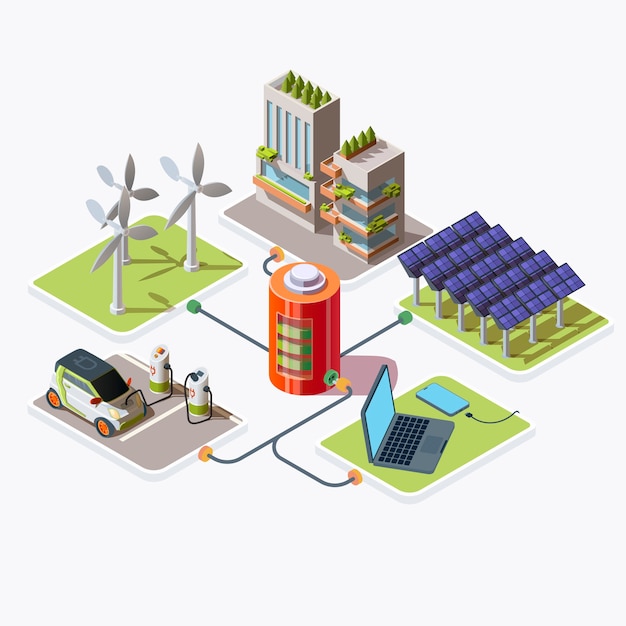
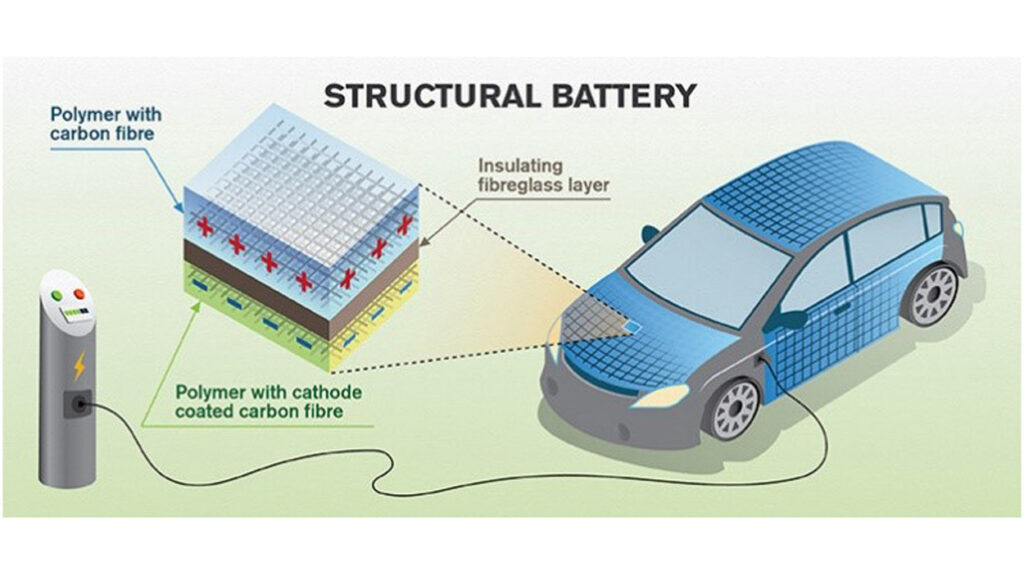
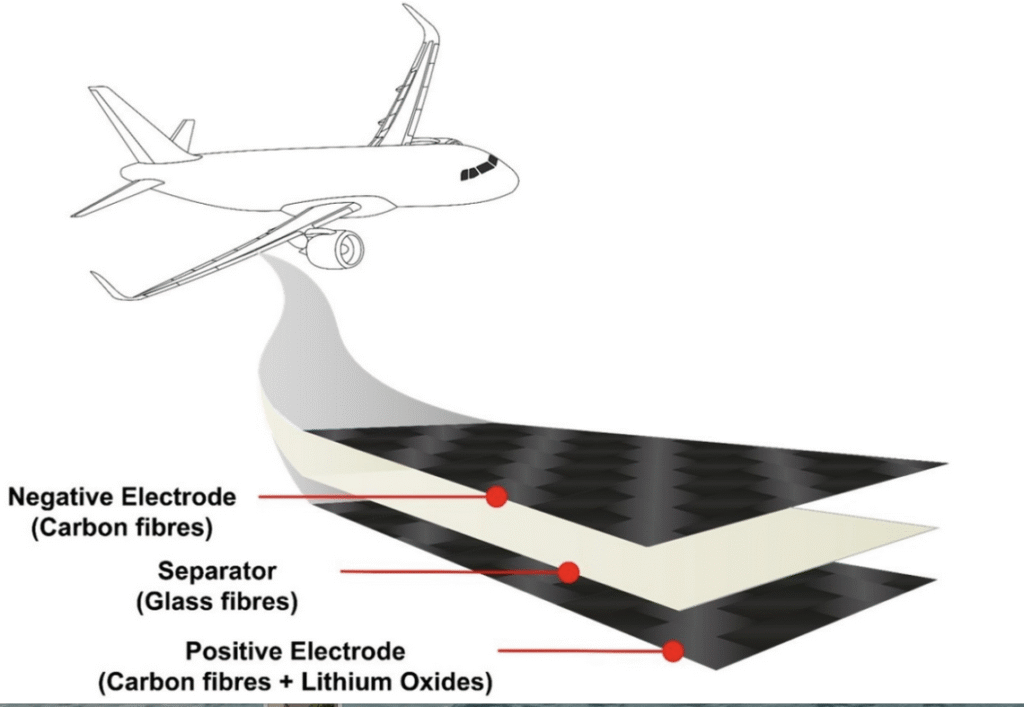
- One key insight: innovation isn’t just about “faster” or “smarter”—it’s about responsible. The WEF’s Top 10 Emerging Technologies for 2025 emphasises sustainable, integrated solutions such as structural battery composites and osmotic power systems.
- Meanwhile, companies are re-engineering their tech stacks with energy-efficient computing, circular materials and sustainable infrastructure.
- Why this matters: Technology will no longer be judged solely by performance or novelty—it will be measured by its impact on society and the planet.
4. The Invisible Web: Spatial, Ambient, Immersive Tech

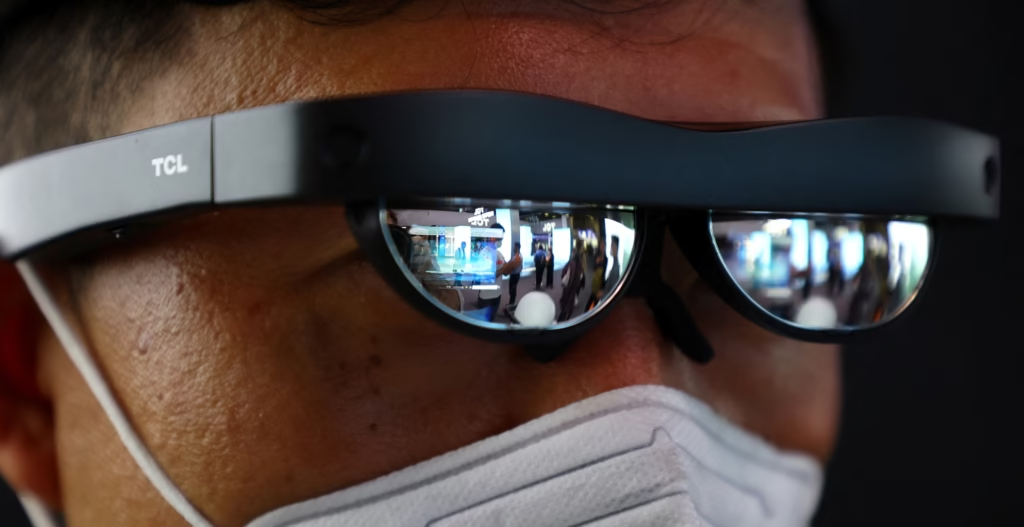
Beyond AI and quantum, the interaction layer of tech is shifting: from screens to spatial. Technologies like spatial computing, ambient intelligence, and immersive XR (extended reality) are coming of age.
For example, wearable and embedded devices that sense and respond to our environment will feel less like “gadgets” and more like extensions of our daily lives.
For businesses: digitising user experience isn’t just about apps—it’s about spatial design, environment sensitivity and seamless interface.
5. Digital Trust, Governance & the Rise of “Invisible” Threats
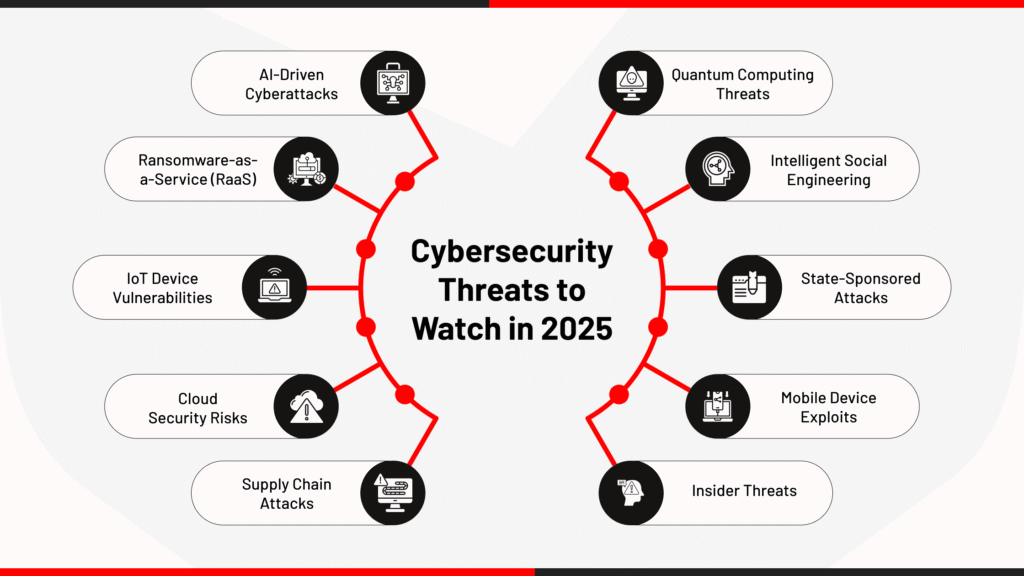
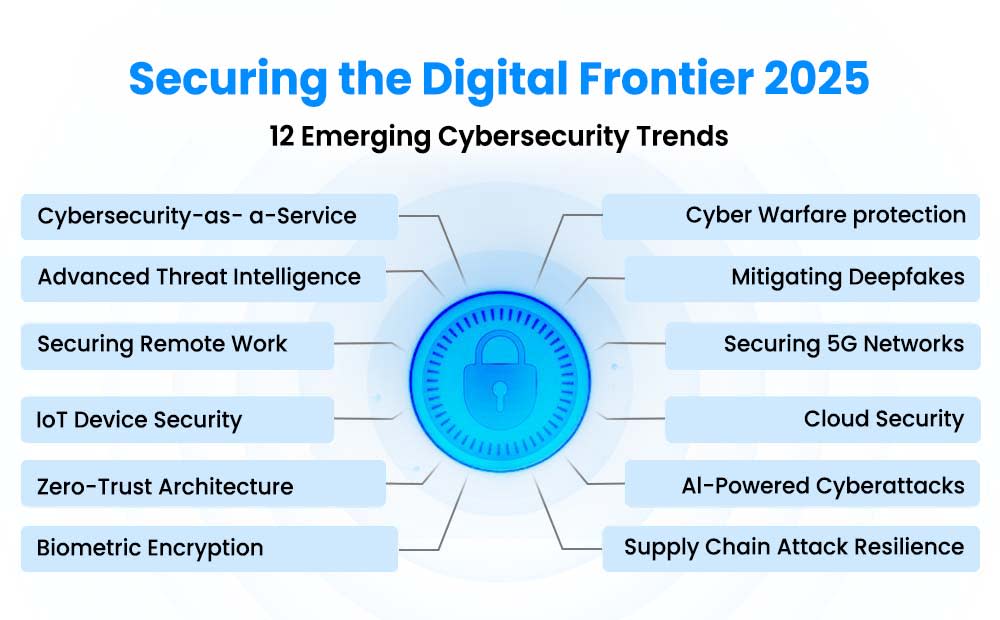
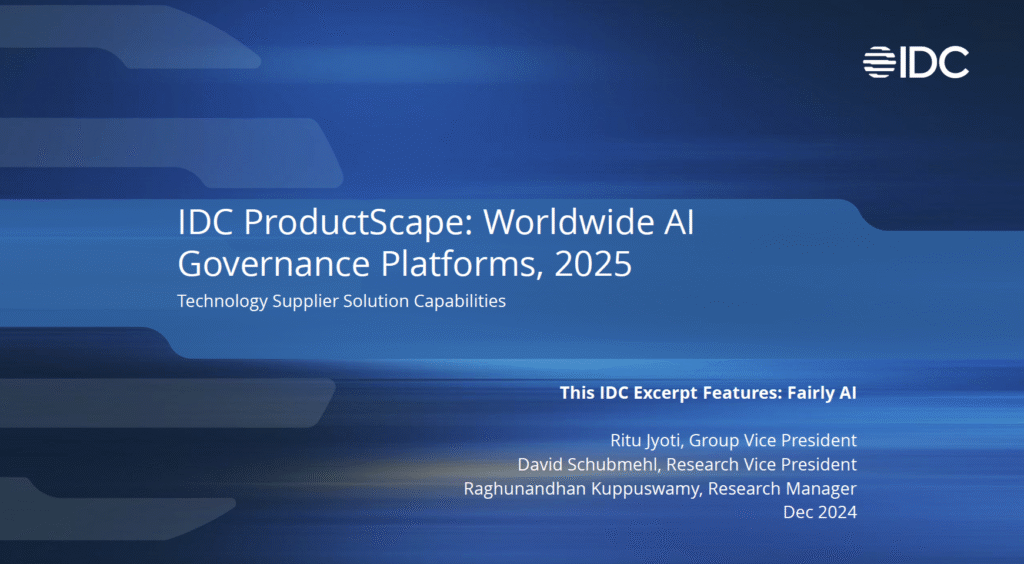
As technology grows deeper into life and enterprise, the risks get deeper too. Key areas include AI governance, disinformation security, and post-quantum safe cryptography.
The lesson: trust and safety will be among the most strategic differentiators. Users, customers and regulators will expect companies to embed ethics, transparency and resilience—not just features.
In short: managing risk is now as important as creating innovation.
6. What This Means for the UAE & Middle East
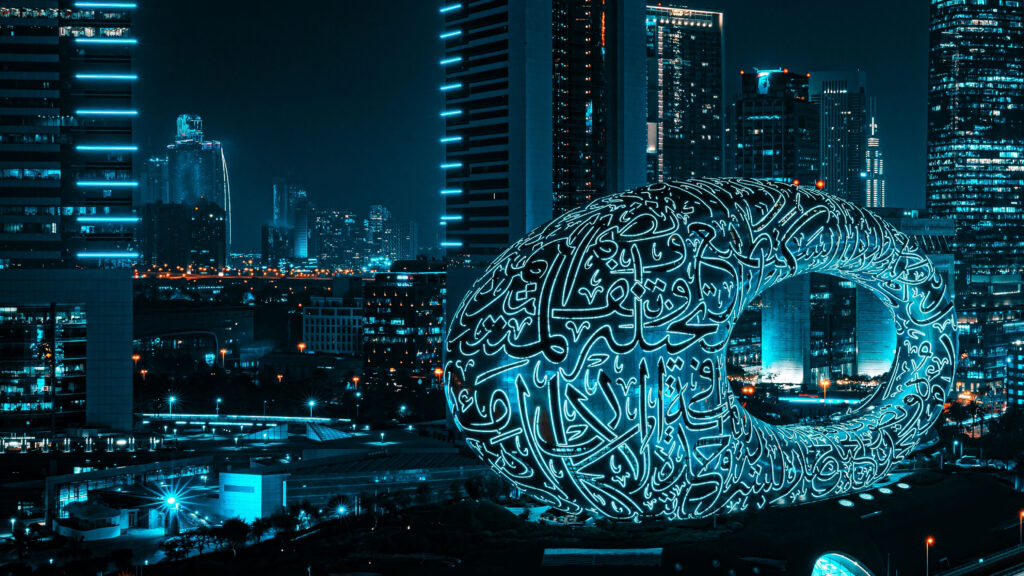
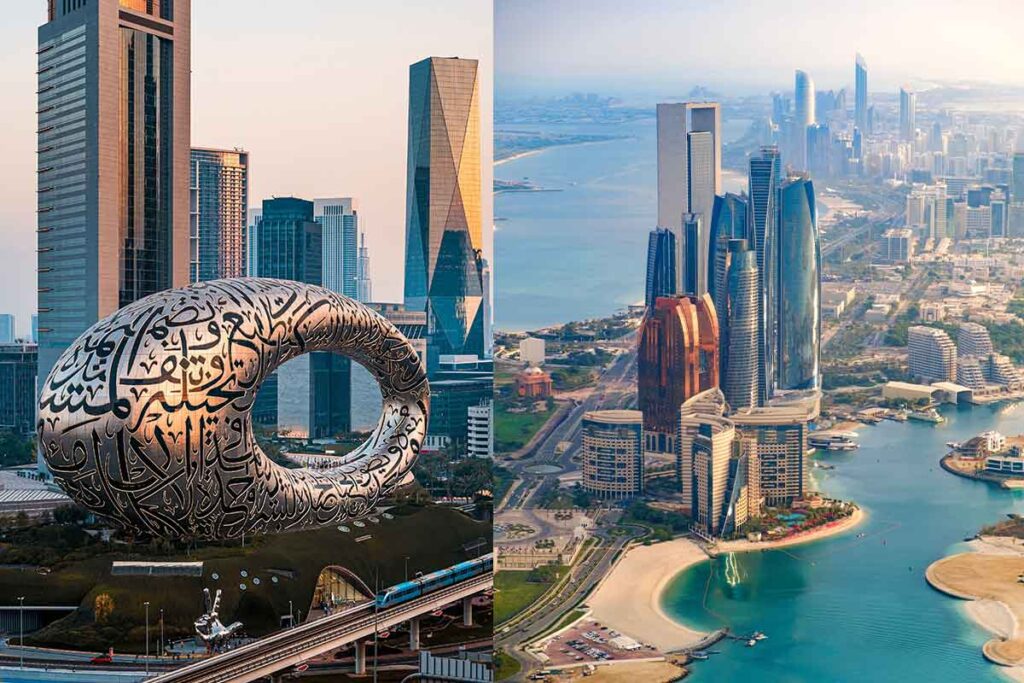

For the UAE and broader Middle East region:
- The region’s ambition to leapfrog into the future aligns well with these global trends. Smart-city initiatives, sovereign AI projects and renewable tech investments provide fertile ground.
- Corporates and governments in the region can leap ahead by focusing on talent pipelines, regulatory frameworksand ecosystem partnerships.
- The dual focus on innovation and sustainability gives the region a unique chance to lead—not just follow.