
November 2, 2025 |
By Staff Reporter
WASHINGTON, D.C. — The U.S. Citizenship and Immigration Services (USCIS) has confirmed that the newly introduced $100,000 filing fee for certain H-1B visa petitions will not apply to students currently in the United States on F-1 visas who transition to H-1B status through a change of status application.
The clarification follows days of confusion after reports surfaced about a large additional fee being imposed on employers sponsoring foreign professionals. Many international students and recent graduates feared the new policy could make it far more expensive for U.S. companies to hire them after graduation.
“Change-of-status petitions filed by individuals lawfully present in the U.S.—including those on F-1 student visas—are exempt from the additional $100,000 H-1B filing fee,” USCIS stated in its guidance released late last week.
Relief for Students and Employers
The announcement comes as welcome news to both international students and U.S. employers. Under the clarification, F-1 students applying for H-1B status from within the country—often after completing Optional Practical Training (OPT) or STEM-OPT—will not trigger the new charge.
Employers sponsoring these candidates will therefore not face the steep additional cost initially feared to apply across the board.
“This clarification restores confidence in the post-graduation pathway for foreign students,” said Priya Menon, an immigration attorney based in New York. “It ensures that hiring international graduates remains viable for U.S. companies.”
Who the Fee Applies To
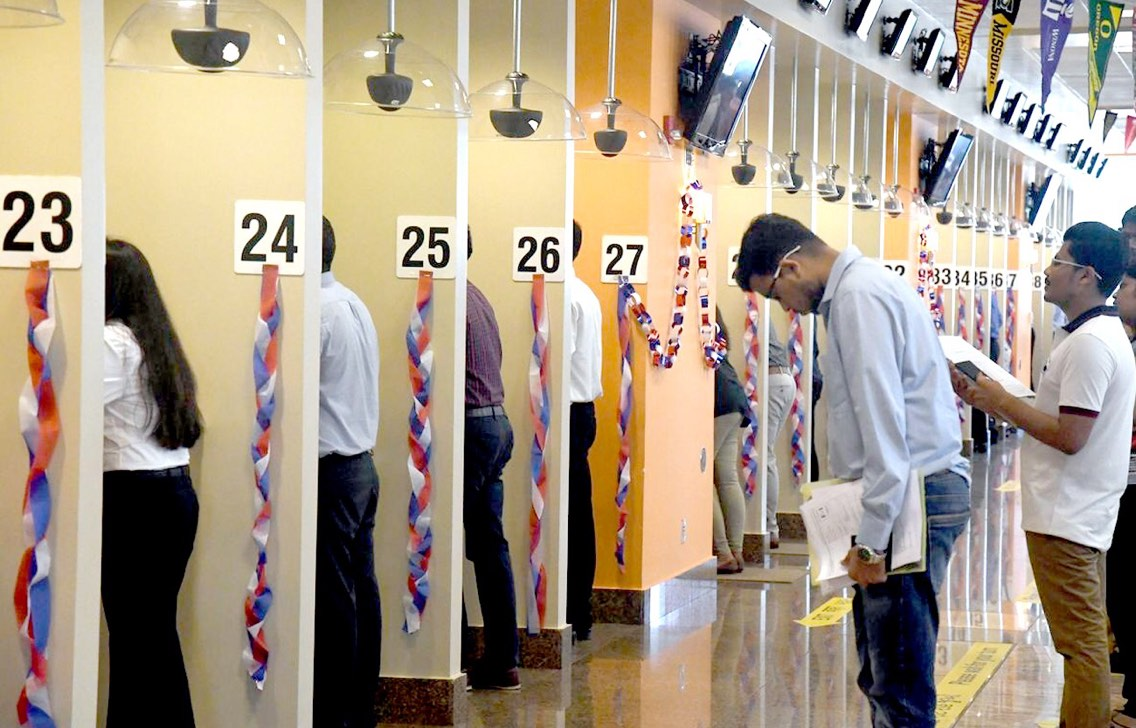
According to USCIS, the $100,000 fee still applies to H-1B petitions filed for beneficiaries outside the United States who do not currently hold valid non-immigrant status. This includes petitions processed through U.S. consulates abroad.
Students who leave the country and later seek H-1B entry through consular processing may still be subject to the charge, depending on how the new rule is implemented.
Immigration experts recommend that students maintain valid F-1 status and coordinate closely with both their university’s international office and their sponsoring employer when filing for an H-1B change of status.
Broader Implications
The clarification eases concerns across the U.S. higher education community. Universities had warned that the fee could discourage international enrollment if it became harder or costlier for graduates to remain in the U.S. workforce.
“Clear guidance like this reassures students that their investment in U.S. education still leads to meaningful opportunities,” said Dr. Matthew Reed, Director of International Programs at Georgetown University.
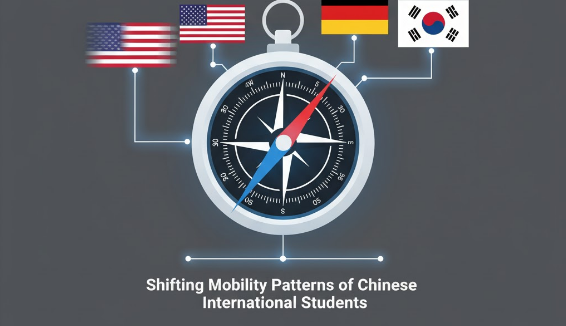
For many international students—particularly from India, China, and South Korea—the ruling preserves a key employment pathway after graduation. The F-1 to H-1B route remains one of the most common transitions for skilled foreign graduates seeking long-term work authorization in the United States.