
World News Desk | November 3, 2025
ELGEYO-MARAKWET COUNTY, KENYA — A massive mudslide in western Kenya has killed at least 26 people and left dozens missing after days of relentless rainfall triggered flooding and ground collapse in hilly parts of the Rift Valley region.
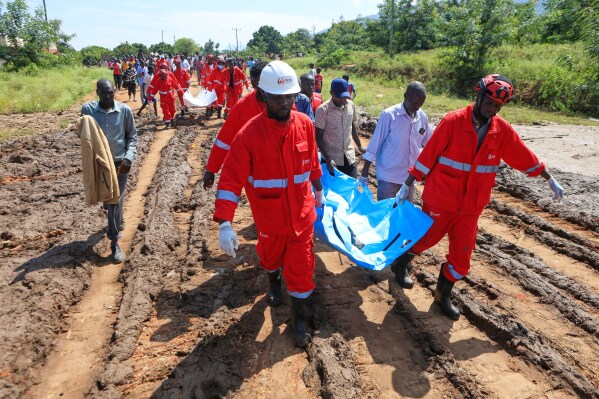
According to officials and rescue teams, the disaster struck Chesongoch and surrounding villages in Elgeyo-Marakwet County late Saturday night, sweeping away homes, roads, and farmland. Heavy downpours caused the saturated hillsides to give way, burying families in their sleep.
“We have recovered 26 bodies so far, but many people are still missing,” said Interior Minister Kipchumba Murkomen, confirming that the government has deployed military aircraft and rescue teams to the remote area.
The Kenya Red Cross reported that more than 1,000 homes have been damaged or destroyed, and rescue operations are being hampered by blocked roads and flash floods. Teams are using helicopters to reach isolated villages cut off by rising water levels.
Local residents described scenes of chaos as the landslide struck suddenly. “It sounded like thunder,” said Peter Kiptoo, a survivor from Chesongoch. “We heard screaming and saw houses being carried away by mud and rocks.”
Authorities say 25 people remain unaccounted for, and dozens have been hospitalized in nearby towns such as Eldoret and Iten. Search teams are racing against time as more rain is expected throughout the week.
The World Meteorological Organization (WMO) and Kenyan weather authorities have warned of continued heavy rains during the ongoing short-rain season, increasing the risk of further landslides and flash floods in the region.
Environmental experts note that deforestation and unplanned hillside settlements have worsened Kenya’s vulnerability to such disasters. “The tragedy highlights the urgent need for sustainable land management and better early-warning systems,” said Dr. Mary Wanjiku, a Nairobi-based climate researcher.
The government has pledged to resettle residents from high-risk areas and cover medical costs for the injured, while humanitarian agencies are delivering food, blankets, and emergency shelter.
Meanwhile, schools in the affected areas have suspended classes, and national examination centres are being relocated to safer grounds.